
Disaster Recovery Solutions for Prepared Enterprises
Ensure your business-critical systems get back up and running within defined timeframes during planned or unplanned outages.
With our Disaster Recovery solutions, we design and regularly test recovery scenarios compliant with defined RTO / RPO targets for situations like hardware failure, human error, cyber attacks, or natural disasters in your data center.
Take Precautions Before Data Loss Occurs
Let's define your organization's "RTO / RPO" goals and simulate how long it takes for your data to return in a possible disaster scenario.
Why is Business Continuity Critical?
Taking backups alone is not enough. It must be clearly defined and regularly tested which critical systems will stand up in what order, in what time frame, and with what data.
We design a secondary data center that runs parallel to your existing data center and hosts backups of your critical systems. This environment waits ready to activate in an emergency.
We design synchronous / asynchronous replication, snapshot, and backup policies for your applications, databases, and file systems together.
Which team does what in an emergency, which system stands up in what order, and decision points are defined with a detailed "runbook" document.
Recovery steps specific to cyber attack scenarios such as ransomware, data encryption, or critical systems becoming disabled are planned.
We determine with business units how long which system can stop and what data loss is acceptable, and shape the DR plan accordingly.
For finance, manufacturing, health, and similar regulated sectors, we structure your business continuity plan in compliance with legal requirements and ISO 22301 standards.
How is Recovery Architecture Designed?
Invekor addresses Disaster Recovery architecture not only from a technical side but also together with business unit priorities, processes, and regulations.
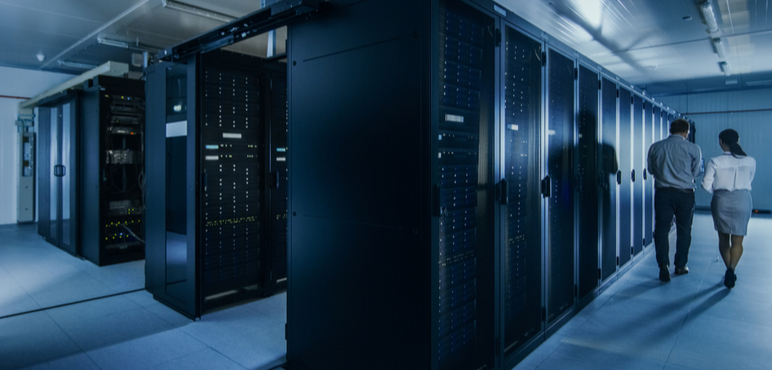
First, we perform a business impact analysis (BIA) to determine how soon a system must be up and running and the acceptable data loss. Then we create the technical architecture suitable for these goals.
Your existing data center is positioned as primary, and the virtual data center or DC at a different location as secondary (DR). Up-to-date copies of critical systems are kept in DR via replication.
By replicating your on-prem environment to a cloud-based DR solution, we design a structure where you can continue working on the cloud in case of a disaster.
Instead of the entire infrastructure, you can establish an effective recovery scenario at a lower cost by including only a few critical business applications and databases in the DR scope.
If you have even a few of the following headings, it means you need a structured business continuity plan:
Let's Design Your Emergency Plan Together
Let's analyze your existing infrastructure, business-critical systems, and goals together; let's create a realistic, tested, and auditable Disaster Recovery plan.